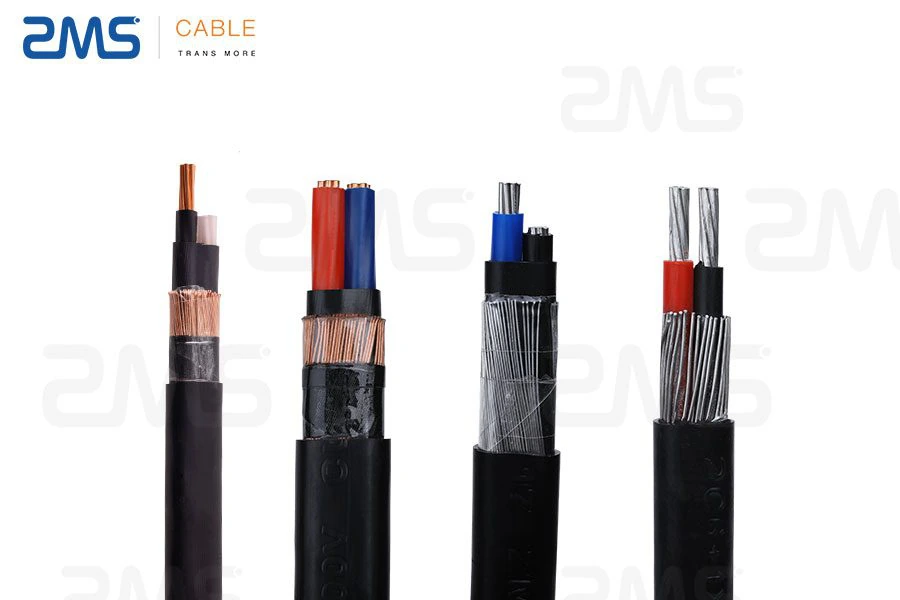
Marine Coaxial Communication Cable
A coaxial construction for radar, satellite and radio links where attenuation, screening effectiveness and flame performance all have to be met at once.
Construction and performance
Radar, satellite and radio links are decided by attenuation and screening effectiveness. The foamed dielectric reduces loss per metre at high frequency, the bonded aluminium foil gives continuous coverage against the high-frequency field, and the tinned-copper braid provides a low-resistance path and mechanical strength. IEC 60092-373 covers the construction and flame performance of shipboard communication cable; the impedance must match the radio equipment, which is normally 50 Ω for marine radar and VHF.
Construction
- Solid or stranded copper inner conductor
- Foamed PE or solid PTFE dielectric
- Aluminium foil plus tinned-copper braid screen
- LSZH or SHF1 sheath
- Flame retardant to IEC 60332-1-2
- Connector compatibility confirmed to project
Applications
- Shipborne radar systems
- Satellite communication terminals
- VHF and UHF radio links
- On-board RF and antenna distribution
Technical data
| Impedance | 50 Ω or 75 Ω |
|---|---|
| Inner conductor | Solid or stranded copper, copper-clad aluminium |
| Dielectric | Foamed PE or solid PTFE |
| Screen | Aluminium foil plus tinned-copper braid |
| Sheath | LSZH or SHF1 compound |
| Frequency range | Up to 6 GHz depending on construction |
| Velocity of propagation | Approximately 80–85% for foamed dielectric |
| Construction standard | IEC 60092-373, IEC 61196 |
Typical values. Final construction is confirmed on the order datasheet.
What to confirm before ordering
How is attenuation specified?
Can a 75 Ω cable replace a 50 Ω type?
Is a foil-and-braid screen necessary?
Standards & type approval
IEC 60092-373, IEC 61196 series for coaxial test methods, IEC 60332-1-2 flame propagation, IEC 60754 and IEC 61034 for halogen and smoke performance.
Need a sample or datasheet?
Tell us the voltage, core count, cross-section, screen or armour, sheath and destination. We can prepare a construction drawing and a sample for review.
Phone: +86 371 6782 9333
WhatsApp: +86 173 0383 6349
Email: sales@zmscable.com
Other constructions for the same project
Compare voltage class, screen, armour and sheath options before you specify.
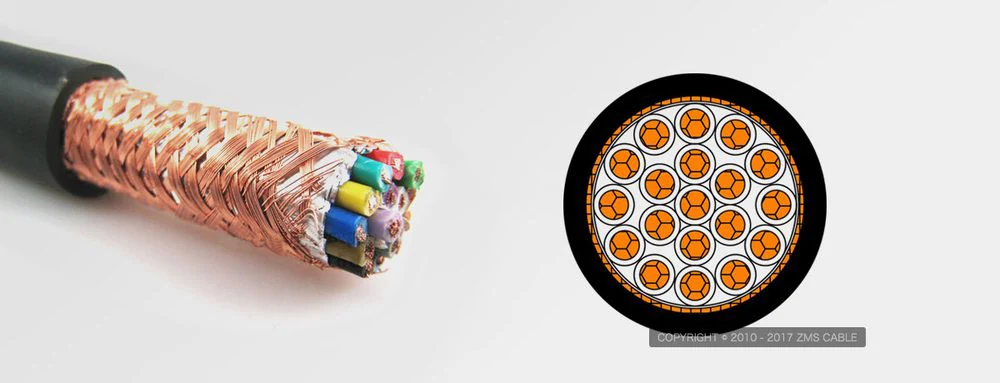
Shielded Marine Control Cable
Multi-core screened control cable with collective or individual shielding for EMI-critical control and instrumentation loops in the engine room, bridge and cargo areas.
Technical details →
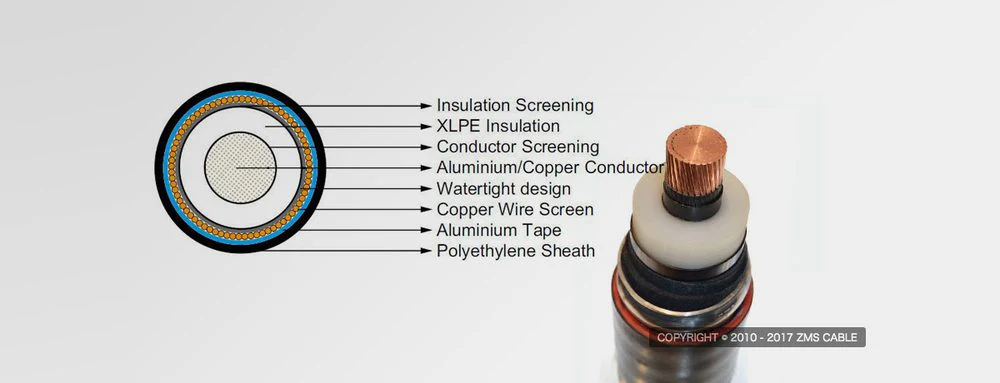
0.6/1kV EPR Insulated Marine Power Cable
Tinned-copper EPR insulated shipboard power cable rated 0.6/1kV for main switchboard feeders, engine-room auxiliaries and deck circuits.
Technical details →
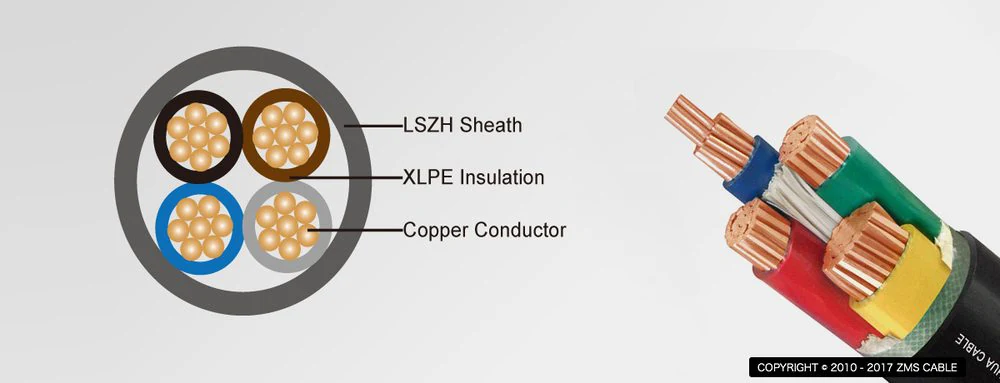
LSZH Flame Retardant Marine Cable
Low smoke zero halogen, flame-retardant cable for passenger vessels, cruise ships and enclosed public spaces where evacuation depends on visibility.
Technical details →
View the full marine range
Five product families, seven standard constructions and custom builds to the cable schedule.
Technical details →
Need a marine cable that fits the installation?
Send the route, the environment and the signal. We will recommend the construction and quote factory-direct.
Send your cable schedule
Send the vessel type, classification society, cable types, core sizes, total lengths and destination port. Our engineers reply within one business day with construction options, type-approval status and pricing.
We use the details you send only to prepare your quotation and to reply to your enquiry. They are not sold or shared for marketing. See our Privacy Policy for how we store and handle enquiry data.